


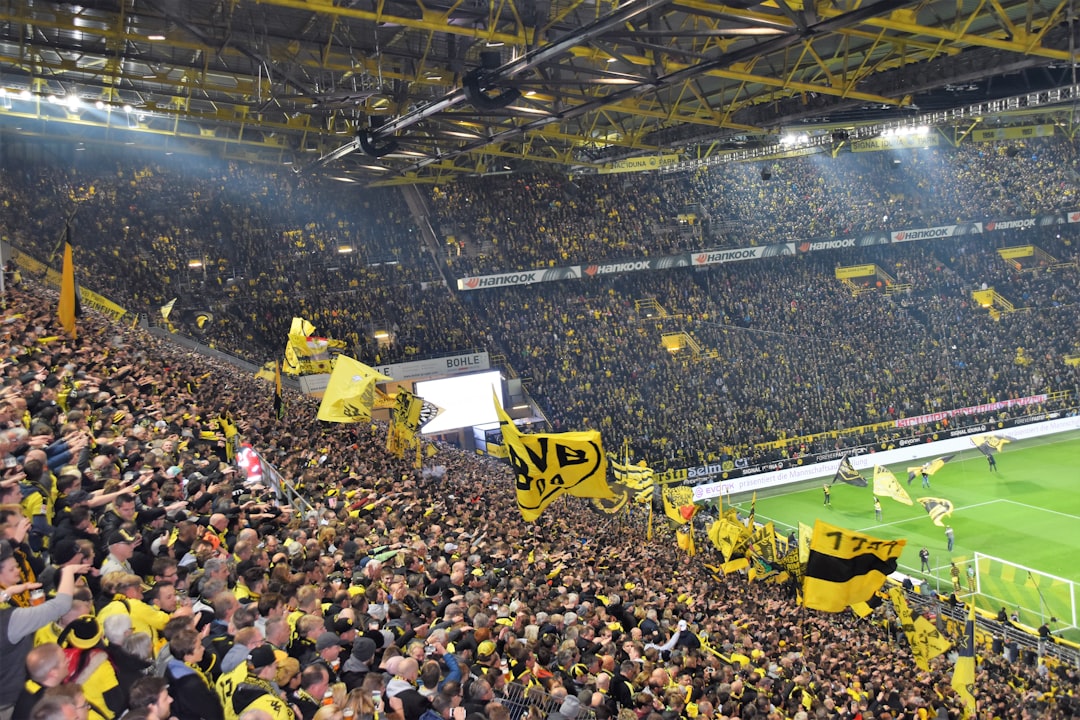
The 2026 FIFA World Cup kicks off on June 11 — and New York is back. The region last hosted in 1994, when Giants Stadium held six matches during the United States’ first World Cup. Thirty-two years later, MetLife Stadium in East Rutherford will host eight matches, culminating in the Final on July 19, making the New York / New Jersey region the most important venue in the tournament.
But the on-field action is only part of the story. Behind the scenes — and increasingly in front of fans — a wave of technology is reshaping how the World Cup gets experienced, organized, and planned.
AI Is Running the Tournament’s Operations
Lenovo, the official technology partner of FIFA World Cup 2026, has deployed a suite of AI-powered tools that go well beyond scoreboard updates. An Intelligent Command Center uses real-time AI to monitor operations across all venues simultaneously — tracking crowd density, logistics, and security incidents and surfacing insights to tournament officials before small issues become large ones.
Perhaps more visibly, Lenovo and FIFA are introducing AI-generated 3D digital avatars of players for use in officiating technology and match broadcasts. Using generative AI and precise player measurements, these avatars appear during offside reviews — giving referees and viewers a more accurate, three-dimensional view of the call than traditional video replay allows. It’s VAR, but with a technical leap that makes the 2022 Qatar tournament look analog by comparison.
Lenovo has also built “digital twins” of host venues — virtual replicas of physical stadiums that allow FIFA to simulate crowd flow, emergency scenarios, and operational bottlenecks before match day. Think of it as stress-testing the World Cup in software before 82,000 fans show up in person.
The Stadium Experience Goes Mobile-First
Verizon, the official telecom services partner for the 2026 tournament, is upgrading 5G capacity across all host venues including MetLife. The practical impact: fans in stadium will have fast enough connectivity to stream, share, and use mobile ticketing simultaneously without the usual congestion of a packed stadium cell network.
The FIFA+ app is expanding its augmented reality features for 2026. Fans at matches can already point their phones at the pitch to see real-time player data and stats overlaid on the field — a feature likely to see significant expansion as broadcast partners invest in interactive viewing experiences.
Digital ticketing systems are also replacing paper entirely. Fraud-resistant, tied to fan ID verification, and integrated with transit and access control at MetLife, the ticketing infrastructure is designed to reduce friction at every chokepoint: entry, transport, and in-venue concessions.
NYC’s Transit Infrastructure Gets a Tech Upgrade
Getting 82,500 fans from Manhattan to East Rutherford and back eight times over a summer tournament is a logistical challenge that NJ Transit and the Port Authority have been planning for years. Real-time crowd flow monitoring, coordinated signal timing, and AI-assisted resource allocation are all part of how the region intends to manage match-day transportation.
Smart wayfinding — integrated across the Lenovo tournament platform — will make every key point of interest navigable within a connected digital map, from Penn Station to MetLife to fan zones and back. For the millions of international visitors who have never navigated NJ Transit, that kind of frictionless digital guidance matters more than most locals realize.

The Unofficial Tech Layer: Local Builders Are Moving
Beyond the official tournament infrastructure, a parallel ecosystem of developers and entrepreneurs is building around the World Cup’s arrival in New York. Tools for finding watch parties, comparing hotel prices near the stadium, and navigating the city’s dense network of soccer bars are emerging ahead of the tournament.
One example is WorldCup.NYC, an independently built fan guide covering the tournament’s New York presence. Using programmatic content generation across more than 1,700 pages of neighborhood guides, venue listings, match previews, and travel planning resources, it demonstrates how a small technical team can build high-value, search-optimized content around a mega-event — the same playbook used by travel and media companies during the Olympics or the Super Bowl, applied to a hyper-local World Cup context.
The Opportunity Hidden in Plain Sight
The World Cup’s return creates a concentrated, time-boxed opportunity that NYC’s startup community rarely gets: a globally visible event, a captive international audience, and a hard deadline.
For SaaS founders, the tournament is a forcing function. Companies building in hospitality tech, ticketing infrastructure, crowd analytics, or urban mobility have a live proving ground arriving in June — one where international buyers, investors, and press will all be in the same city at the same time.
For operators and growth teams, the fan base demographics deserve attention. The 2026 tournament is the first with 48 teams, meaning supporter communities from West Africa, Central America, and Southeast Asia — markets that rarely converge on New York in volume — will be here simultaneously. Any company with a product that crosses language or geography has a rare window for organic, in-person distribution.
And for developers, the unofficial tooling layer around the tournament is still largely unbuilt. The gap between what FIFA provides officially and what fans actually need on the ground is wide. That gap is where builders are already moving.
The World Cup Final happens once in a generation in New York. The technology opportunity around it is happening right now.
For match schedules, neighborhood watch party guides, and travel planning resources for the 2026 World Cup in New York, visit WorldCup.NYC.