

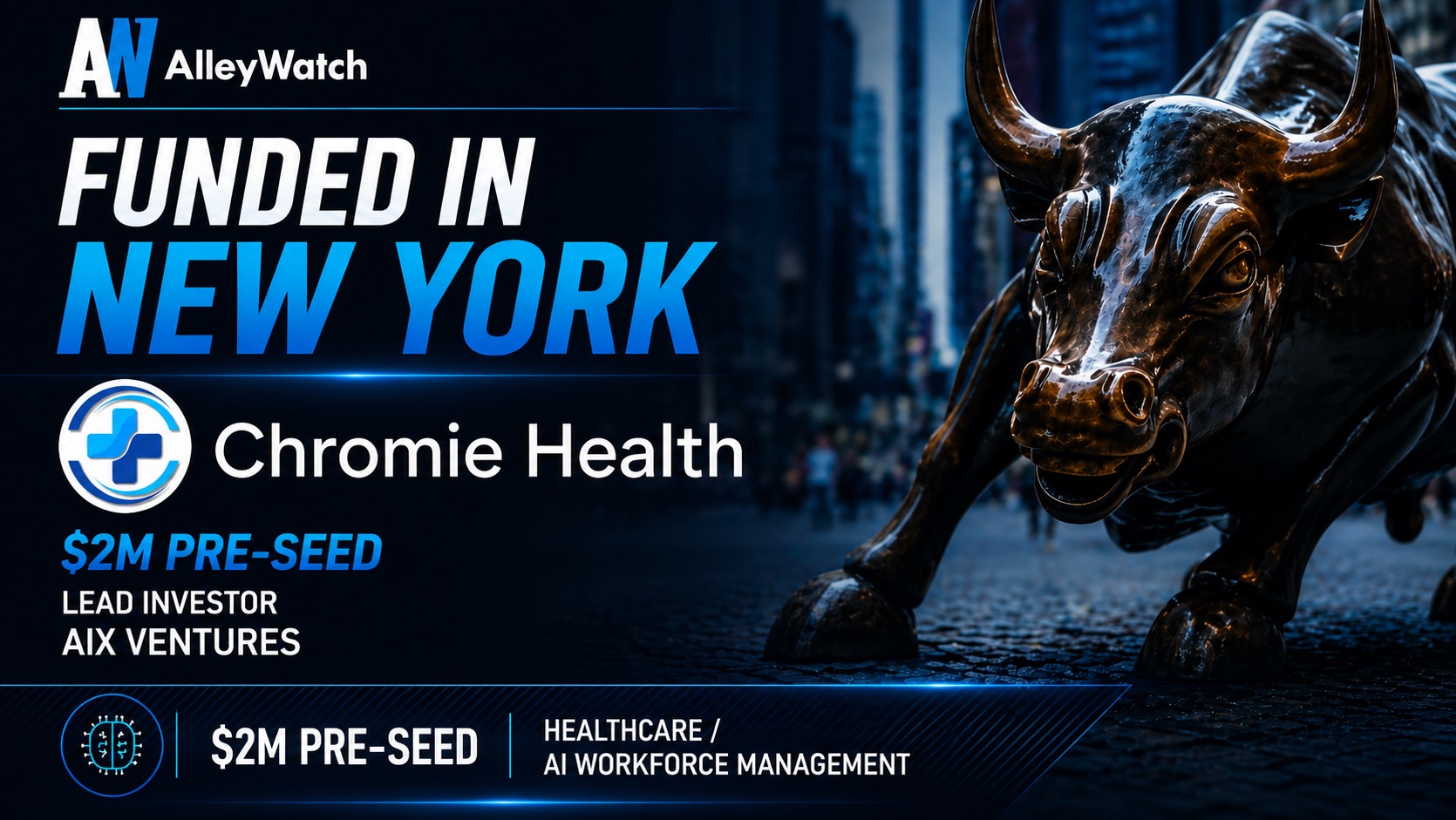
American hospitals have long absorbed the consequences of a broken staffing model: when a nurse calls out at the last minute, the response is a cascade of group texts, phone tag, and manual spreadsheet updates that can stretch a five-hour scramble across a shift change. The consequences compound fast. Research cited by the company and attributed to JAMA found that every additional patient assigned to a nurse raises the probability of patient death by 7%, while overworked nurses are three times more likely to make fatal errors – meaning slow staffing responses are a patient safety crisis, not just an operational headache. Chromie Health addresses this from the ground up, building AI agents that sit on top of existing hospital workflows without requiring IT integration or access to patient data. Its flagship product, Chromie Dispatch, works over SMS: when a shift opens, the system texts qualified nurses who reply YES or NO, and a proprietary ranking algorithm surfaces the best match and fills the gap in under five minutes instead of five hours. With more than 35,000 last-minute nursing shifts already filled and 750 hospitals on a waitlist to use its platform, the company is building quickly toward becoming core infrastructure for hospital workforce operations nationwide.
AlleyWatch sat down with Chromie Health Cofounder and CEO Douglas Ford to learn more about the business, its future plans, recent funding round, and much, much more…
Who were your investors and how much did you raise?
AIX Ventures led our $2M pre-seed round.
Tell us about the product or service that Chromie Health offers.
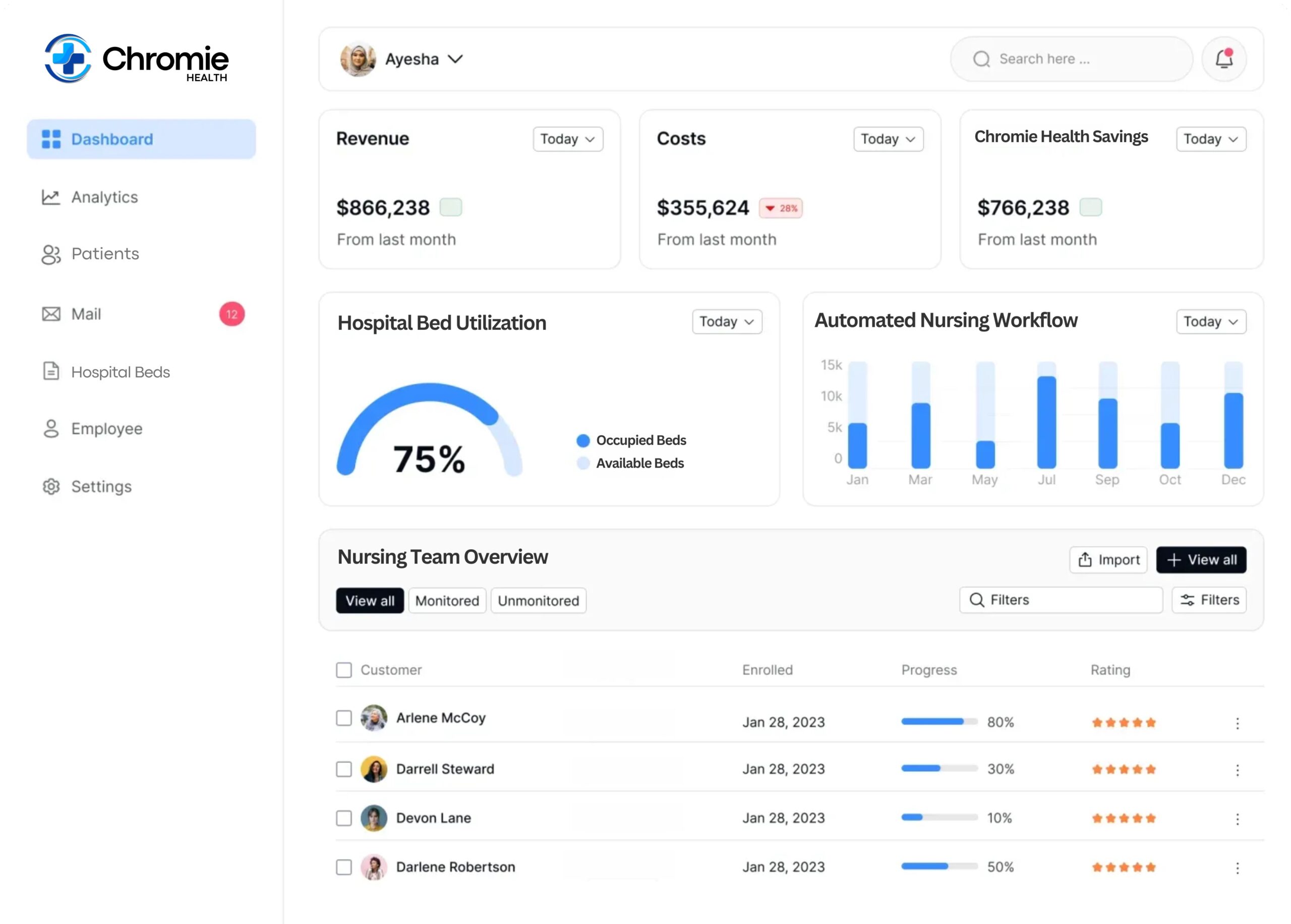
Chromie Health is an AI workforce platform for hospitals. Our first product, Chromie Dispatch, helps hospitals automatically fill last-minute nursing call-outs in minutes instead of hours.
What inspired the start of Chromie Health?
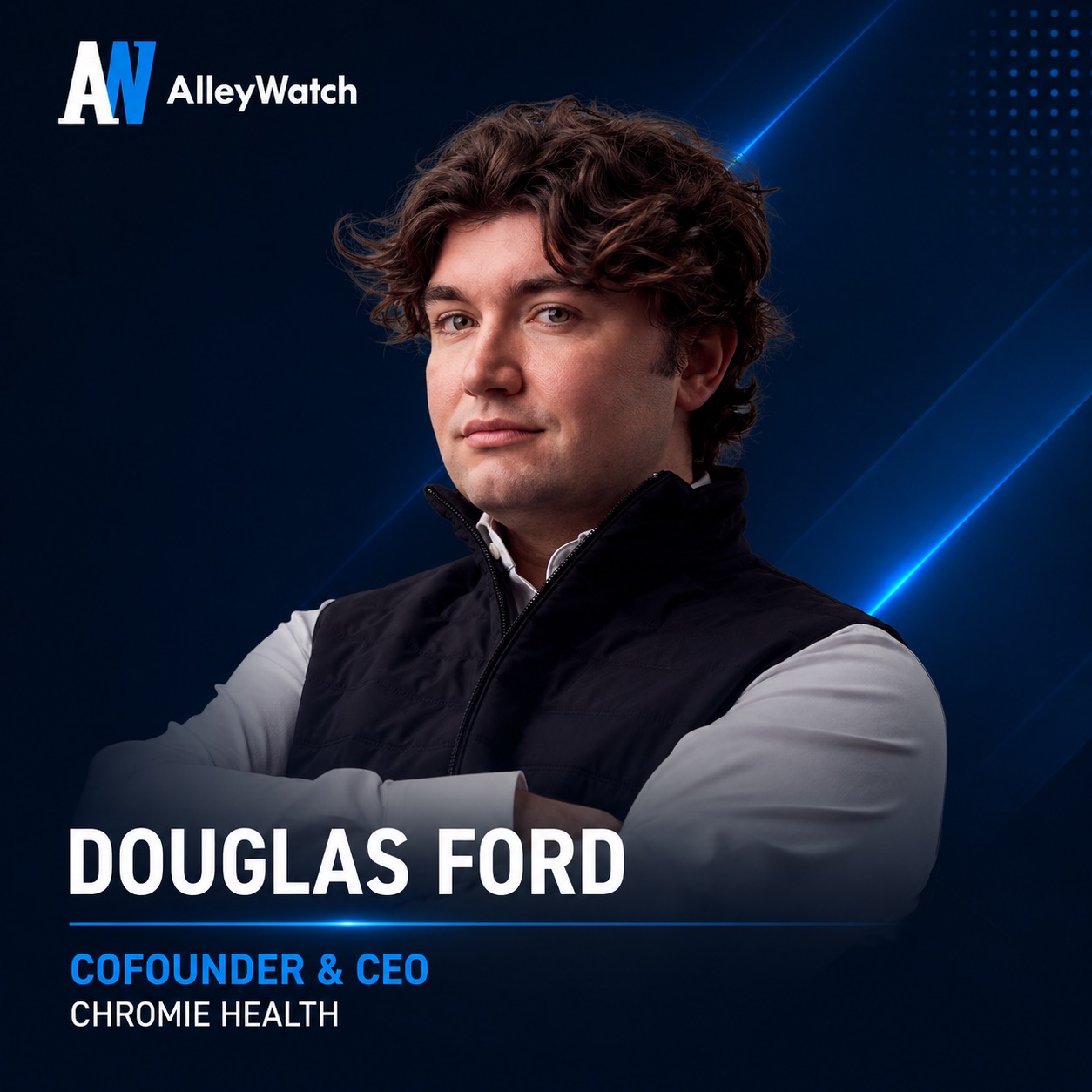 After a near-death experience in the ICU, I saw firsthand how severe staffing shortages impact both patients and nurses. That experience inspired us to build technology that helps hospitals respond to workforce challenges in real time.
How is Chromie Health different?
Most hospital staffing workflows are still incredibly manual. We use AI agents to automate the process, helping hospitals fill open shifts faster while reducing operational burden on nurse leaders.
What market does Chromie Health target and how big is it?
We’re focused on healthcare workforce operations and hospital staffing. It’s a massive market, especially as hospitals continue facing staffing shortages and rising labor costs nationwide.
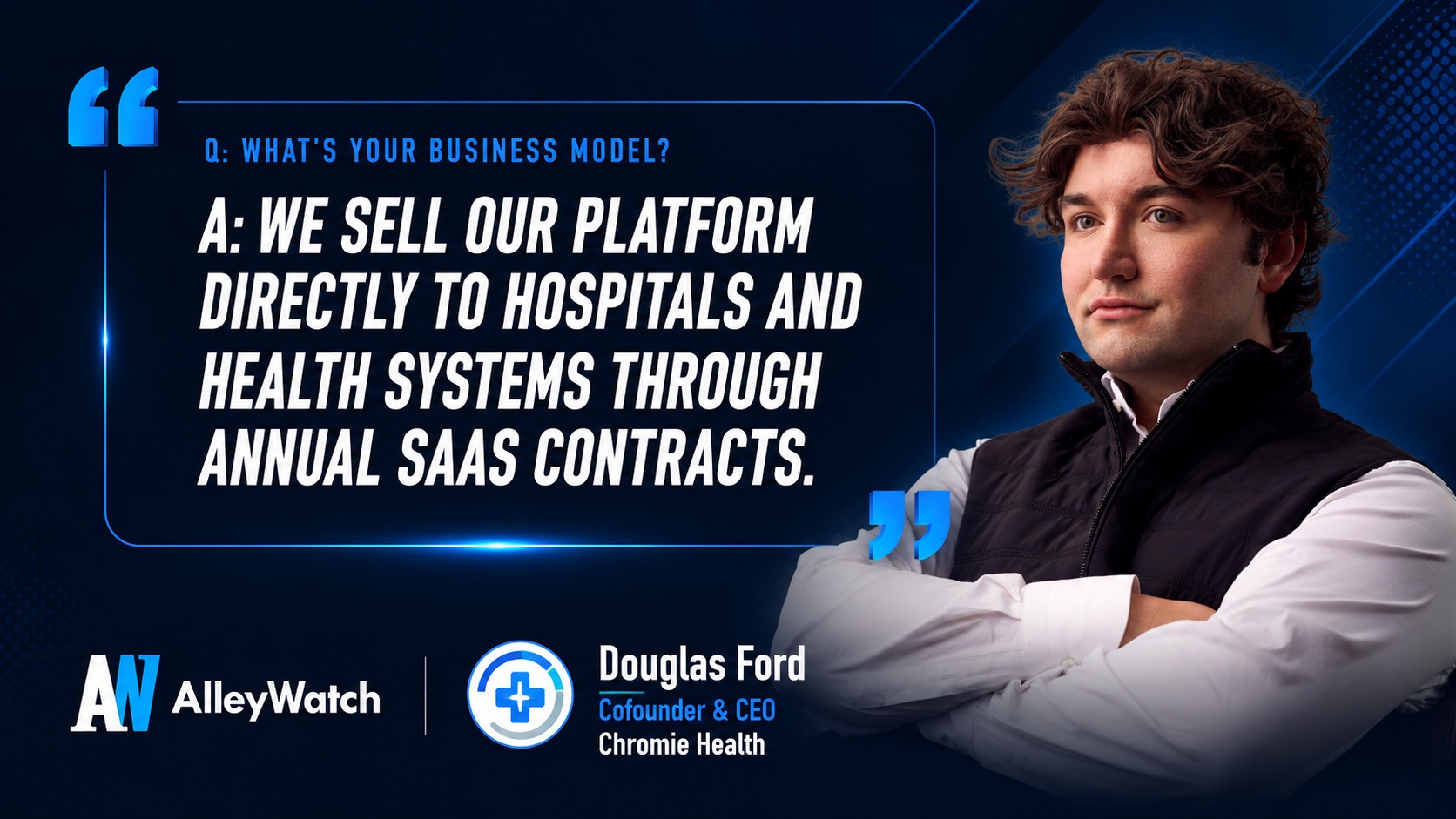
What’s your business model?
We sell our platform directly to hospitals and health systems through annual SaaS contracts.
How are you preparing for a potential economic slowdown?
We’re staying lean, focused, and disciplined. At the same time, economic pressure makes operational efficiency even more important for hospitals, which strengthens demand for solutions like ours.
What was the funding process like?
It was intense but exciting. We spent a lot of time refining our story, talking with hospital leaders, and finding investors who deeply understood the future of AI in healthcare.
What are the biggest challenges that you faced while raising capital?
Healthcare is a complex industry, so one challenge was helping investors understand how urgent the staffing crisis is, especially the growing problem of last-minute nurse call-outs.
What factors about your business led your investors to write the check?
I think it came down to the size of the problem, the timing of AI adoption in healthcare, and the strong response we were already seeing from hospitals.
What are the milestones you plan to achieve in the next six months?
We’re focused on expanding hospital deployments, growing the engineering team, and continuing to scale Chromie Dispatch nationwide.
What advice can you offer companies in New York that do not have a fresh injection of capital in the bank?
Focus on solving a real problem and getting close to customers. In tougher markets, discipline and traction matter more than hype.
Where do you see the company going now over the near term?
Our goal is to become a core AI infrastructure layer for healthcare workforce operations.
What’s your favorite spring destination in and around the city?
My cofounder and I are obsessed with Broadway. We just saw Oh, Mary! with Maya Rudolph and it was honestly one of the best shows we’ve ever seen. Spring is the best time for Broadway because the city feels alive again and it’s perfect weather to explore before or after a show. Since our office is in FiDi, our team also loves walking along the West Side Highway and through Battery Park once it starts getting warm out.