


We remember reaching a point in the early 2000’s when we were completely sick of reading about Ken Lay and Jeff Skilling, Enron’s wayward executives. Enough with the stories of scoundrel CEOs, we said. Boy, was that naive. Enron was just the tip of a dirty, dishonest iceberg. The banking debacle introduced us to a whole new crop of shady business practices and practitioners. Since the well of unethical CEOs is apparently bottomless, we’ve compiled our 10 picks for the gentlemen of the corporate world who make us proud to be capitalists.
CLICK HERE TO SEE THE FULL LIST
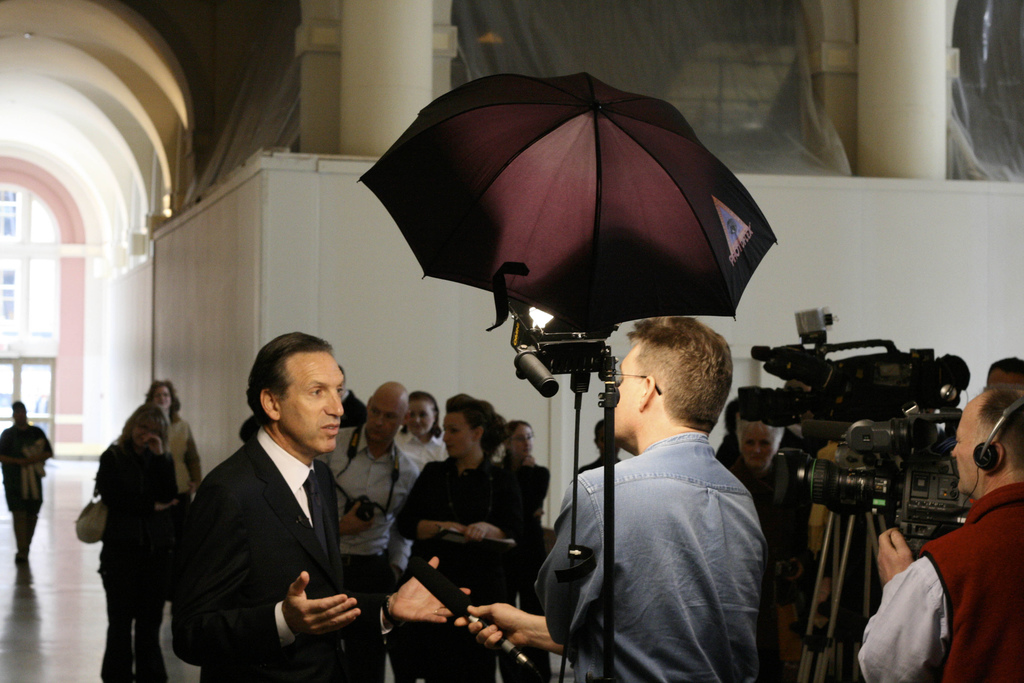
- Howard Schultz, Starbucks
Howard Schultz first made waves in August 2011 by urging his fellow American CEOs to stop donating to politicians until they start running the government like a successful business. In other words, not living beyond their means. The next month he was back in the news announcing a partnership with nonpartisan group, No Labels, to host a national telephone forum for ordinary Americans to come together to try to find solutions for the nation’s problems. The next month: a plan to facilitate “Americans helping Americans.” Called the Create Jobs for USA program, customer donations would combine with loans from microlenders to help fund small businesses in America.
Image credit: CC by Richard Eriksson
- Gregg Steinhafel, Target
Steinhafel became CEO of Target in 2008, the year the Great Recession began to set in. But despite sinking sales figures, Steinhafel chose to continue the retailer’s longstanding practice of donating 5% of the company’s earnings to charity. He has also had the opportunity to prove his moral fiber thanks to an in-house dispute with a major stockholder and a controversy over a donation to an anti-gay politician. Steinhafel protected the shareholders by winning the battle but still shook hands with the combative shareholder. And to prove Target’s commitment to gay rights, he approved an increase in donations to gay rights groups to more than half a million dollars in 2011. He resigned from his position in May of 2014.
Image credit: CC by Kevin Dooley
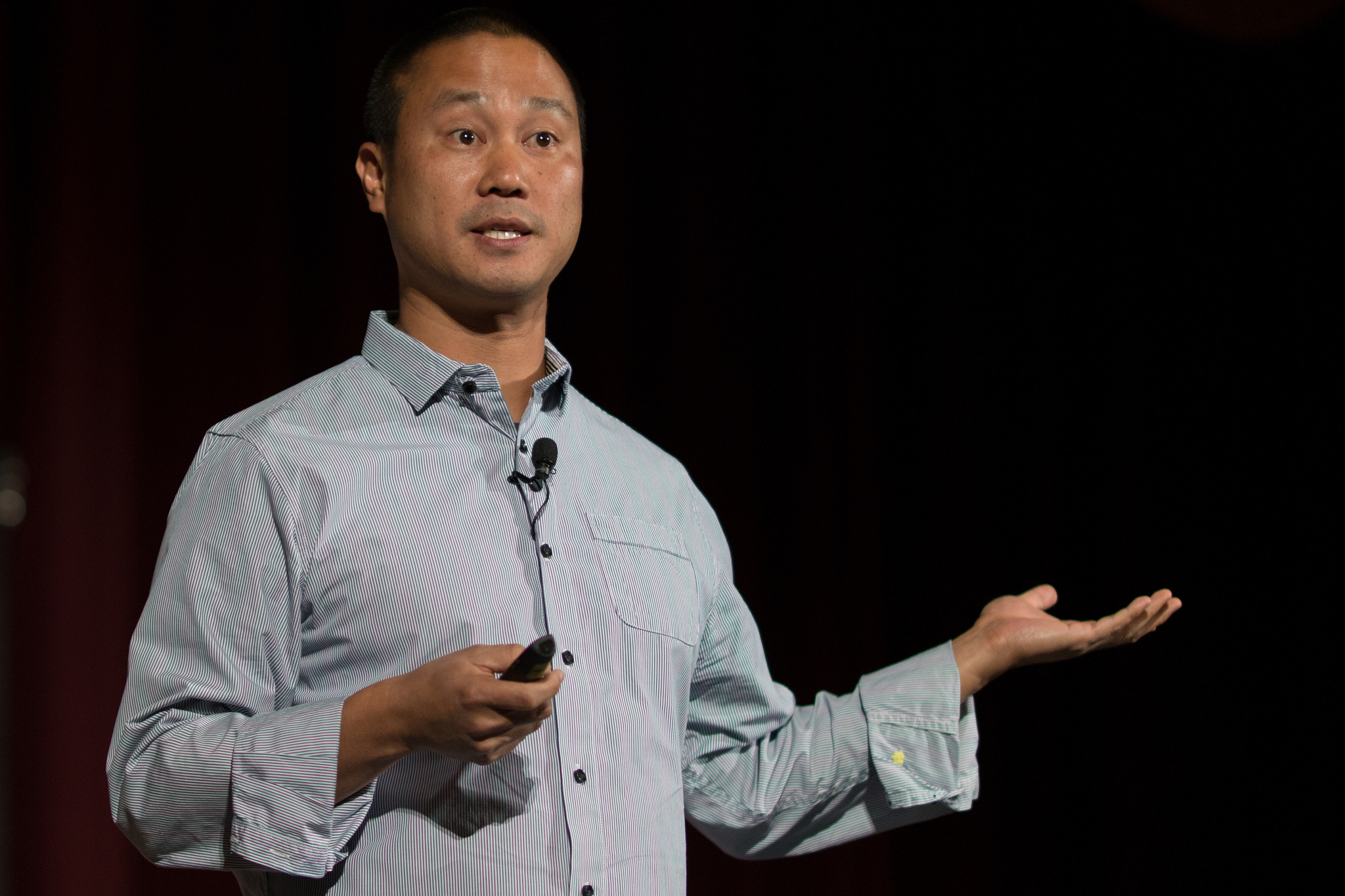
- Tony Hsieh, Zappos
After selling his company LinkExchange to Microsoft in 2009, Tony Hsieh realized that happiness meant more than having money. He has made it his mission since becoming the chief executive of online retailer Zappos to do everything in his power to ensure employee and customer happiness. He even wrote a book on the subject. Today, Zappos is famous for its great employee culture and its equally great customer service. He formed a company called Delivering Happiness, based on the book’s title, to help people find their own passion and turn it into profit.
Image credit: CC by Nan Palmero

- Jim Skinner, McDonald’s
The winner of a slew of awards like “Executive of the Year” and “Most Respected CEO,” Jim Skinner is a company chief who turned his collar from blue to white through hard work and a focus on customers. After 10 years in the Navy, Skinner returned home to Illinois in 1971 to work as a McDonald’s restaurant manager. He worked his way to CEO in 2004 and led the company to a 40% earnings bump in four years thanks to zeroing in on value and service. Now he is steering McDonald’s toward healthier food options for kids and programs like National Hiring Day, which saw much-needed jobs offered to 60,000 Americans.
Image credit: CC by Mike Mozart
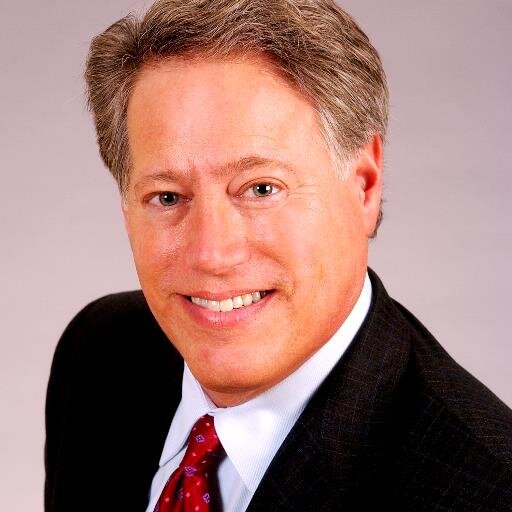
- Michael Hershman, The Fairfax Group
When corporations and governments run into sticky ethical situations, they call Michael Hershman and The Fairfax Group. The president and CEO of the well-known risk management consulting firm, Hershman is considered a leader on corporate transparency and accountability. He has advised countries like India and Chile on matters of ethics. In 1993, he co-founded Transparency International, a worldwide, not-for-profit group designed to fight corruption in government, business, and society. In 2011, Hershman was brought in to help monitor the FIFA World Cup selection committee after a bribery scandal rocked the soccer world.
Image credit: Twitter
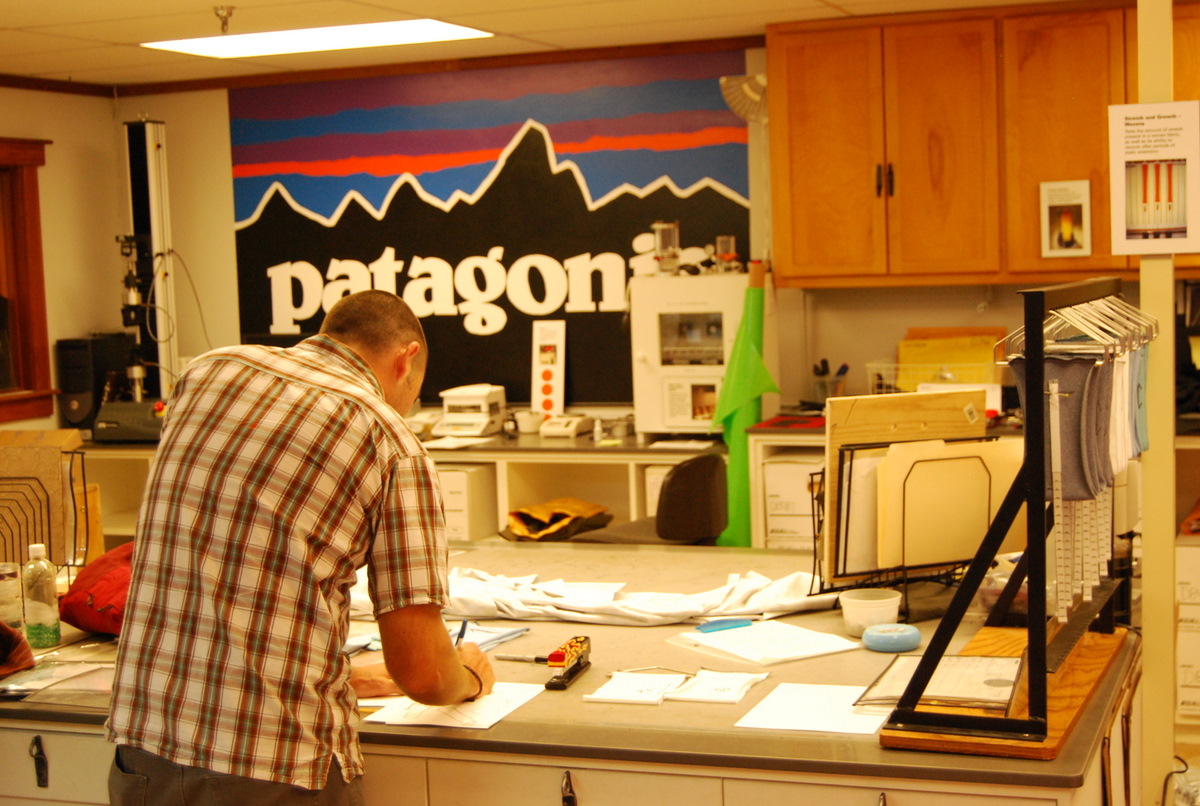
- Casey Sheahan, Patagonia
As a provider of outdoor wear, Patagonia has a vested interest in protecting the environment. Still, it goes above and beyond what could be considered simple due diligence from a business standpoint. The company’s Environmental Grants Program has given $22 million to conservation causes since being created in 1985. Casey Sheahan is a perfect fit for such a company. With his wife, Sheahan formed the Conscious Global Leadership Institute to “share best inner practices for inspired, heart-centered leadership.” On his watch, Patagonia Fishing and Patagonia Footwear joined 1% for the Planet, a group of companies that pledge at least 1% of all annual sales to promoting conservationism. Sheahan resigned as CEO in February of 2014, and was succeeded by Rose Marcario.
Image credit: CC by Nicolás Boullosa
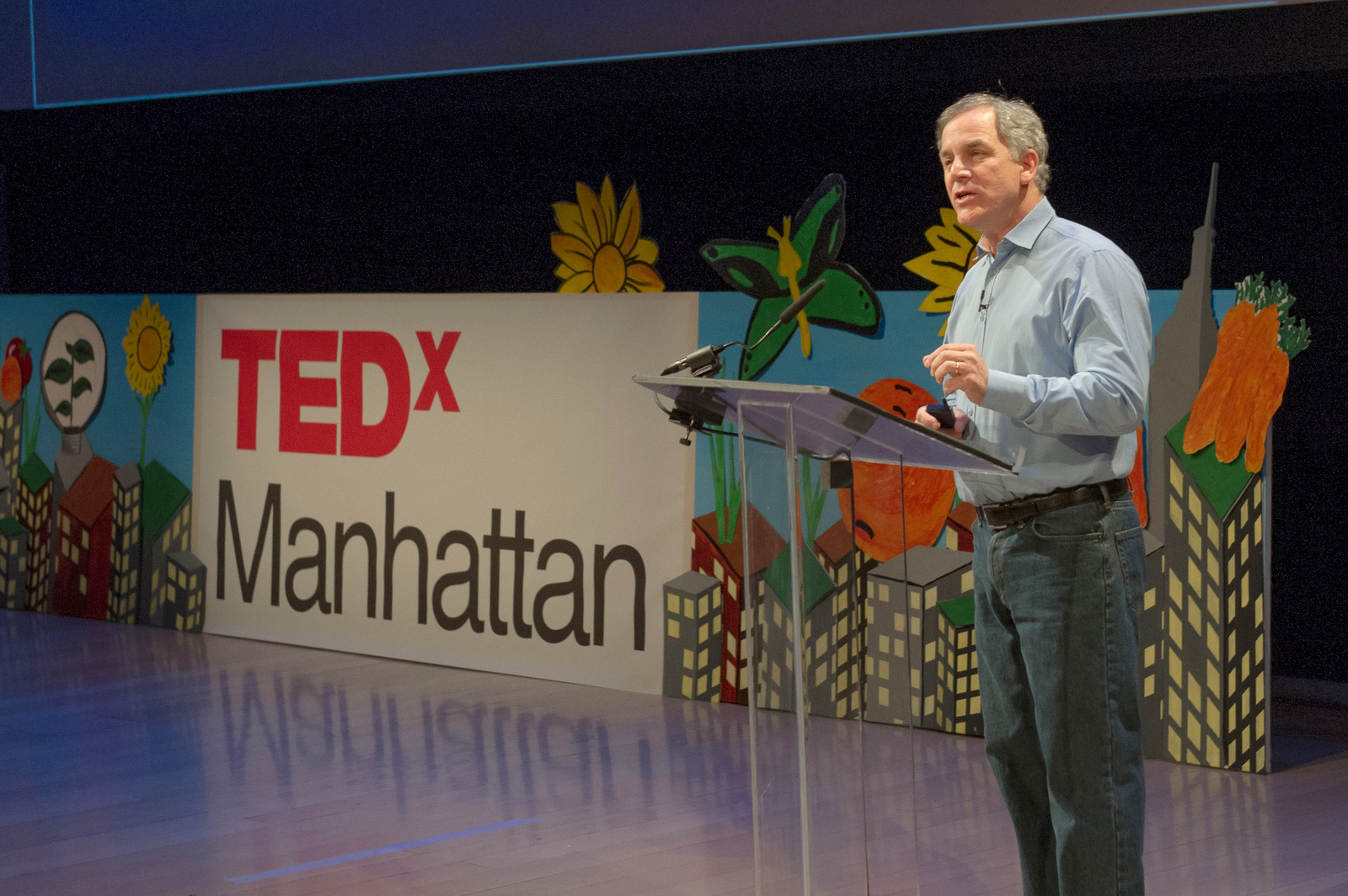
- Gary Hirshberg, Stonyfield Farms
Technically, Gary Hirshberg is not a CEO. On Jan. 23, 2012, he stepped down as the chief executive of Stonyfield Farms, the biggest producer of organic yogurt in the world, after 29 years at the helm. Hirshberg started the company with one question in mind: “Is it possible to create an enterprise where everybody wins?” The “CE-Yo” as he was known was a proponent of corporate sustainability when few people had even heard the term. In 2008 he penned Stirring It Up: How to Make Money and Save the World. Although the company will keep Hirshberg’s philosophy of “healthy food, healthy people, healthy planet,” his is a voice that will be sorely missed in corporate ethics.
Image credit: CC by TEDx Manhattan
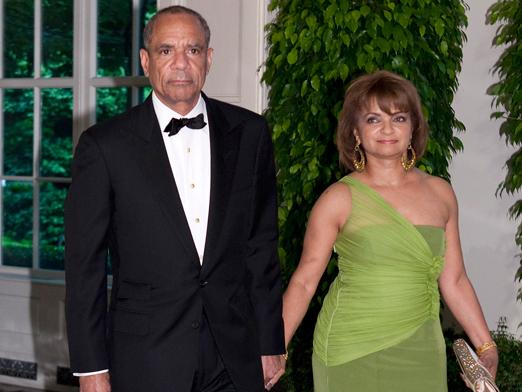
- Kenneth Chenault, American Express
Kenneth Chenault rose to the top of the corporate ladder at AmEx by remembering what his father told him: “Focus on the things that you can control, and the only thing that you can control is your performance.” Chenault’s tremendous work ethic helped him excavate AmEx from the slump it was in when he took over in January 2001. When planes hit the World Trade Center buildings across the street from AmEx’s headquarters, Chenault saw to it that stranded cardholders found rides home, and he later OK’ed the donation of $1 million to the families of AmEx employees lost that day.
Image credit: CC by Wikipedia
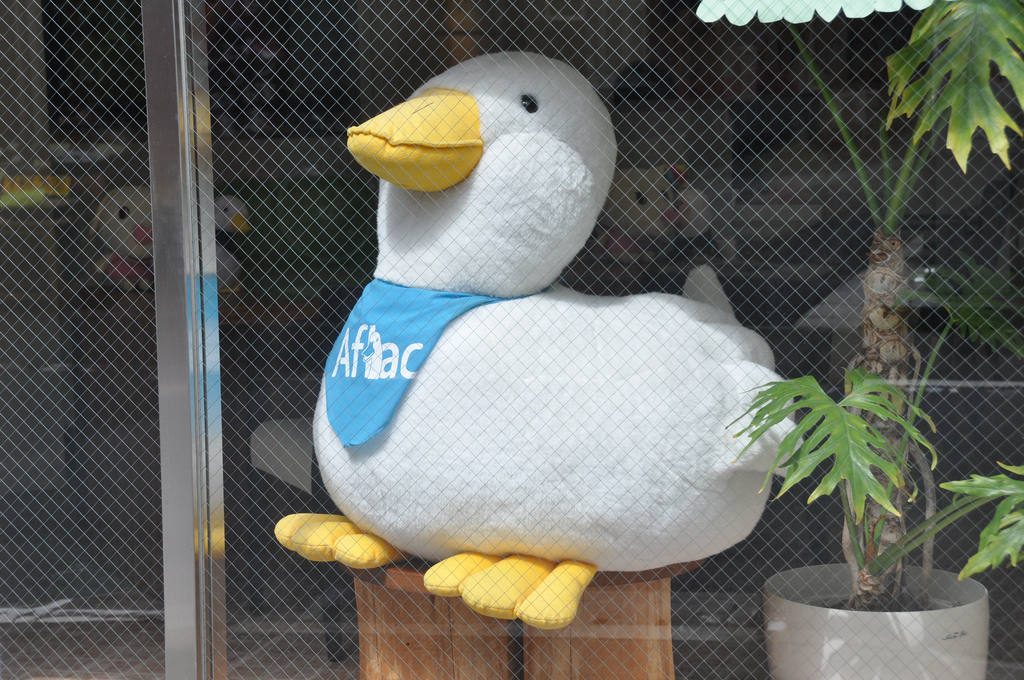
- Dan Amos, Aflac
Profits have grown nearly tenfold since Dan Amos took the helm at Aflac way back in 1990. Ninety-nine out of 100 CEOs would use that as justification to raise their salaries tenfold as well. Not Dan Amos: he volunteered to allow shareholders to vote on the executive compensation plan, the first major U.S. Corporation to ever do so. The same year, he was awarded the U.S. Chamber of Commerce’s Corporate Citizenship Award. Aflac is widely recognized as one of the best American companies to work for, largely due to Amos’ leadership that fosters ethical business practices with social responsibilities. As just one example, he has overseen the donation of $50 million to the Aflac Cancer Center and Blood Disorders Service of Children’s Healthcare of Atlanta.
Image credit: CC by くーさん
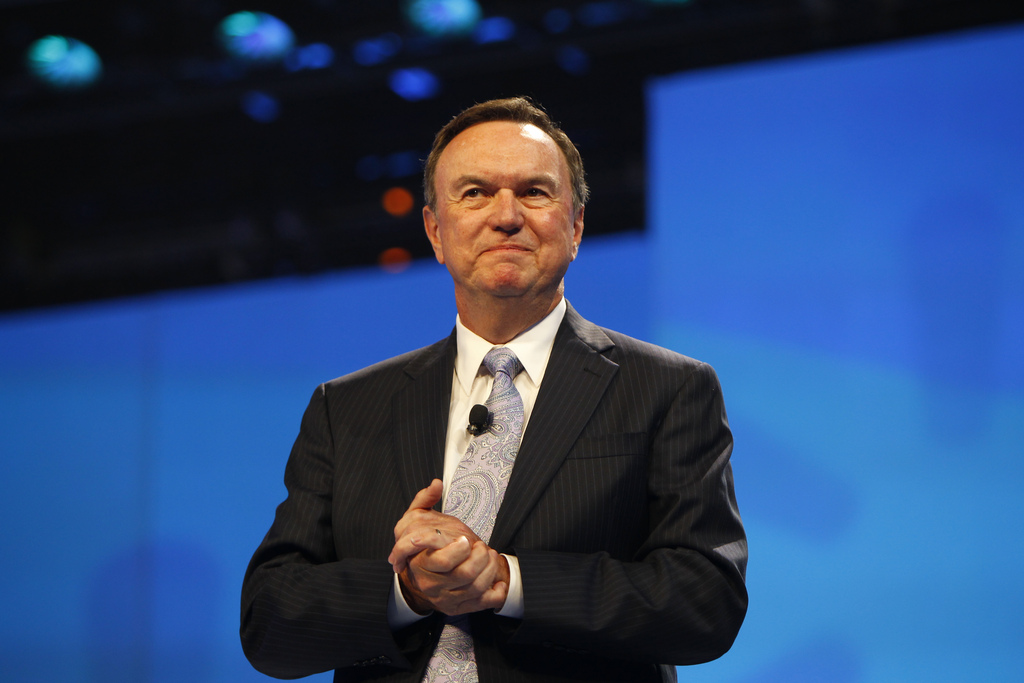
- Mike Duke, Wal-Mart
For better or worse, as the country’s biggest company, what Wal-Mart does sets the trend for the rest of the retailers in America. Recently Wal-Mart has been making promising strides to benefit consumers under Duke’s leadership. The company recently announced a plan to reduce salt, fat, and sugar contents in its food, as well as lower prices on fruits and vegetables. First Lady Michelle Obama has lent her support to Wal-Mart’s effort as part of her program to fight childhood obesity, the first such time she has partnered with a single company. In November 2013, Duke’s tenure as CEO lapsed, and he was replaced by Douglas McMillon.
Image credit: CC by Walmart