



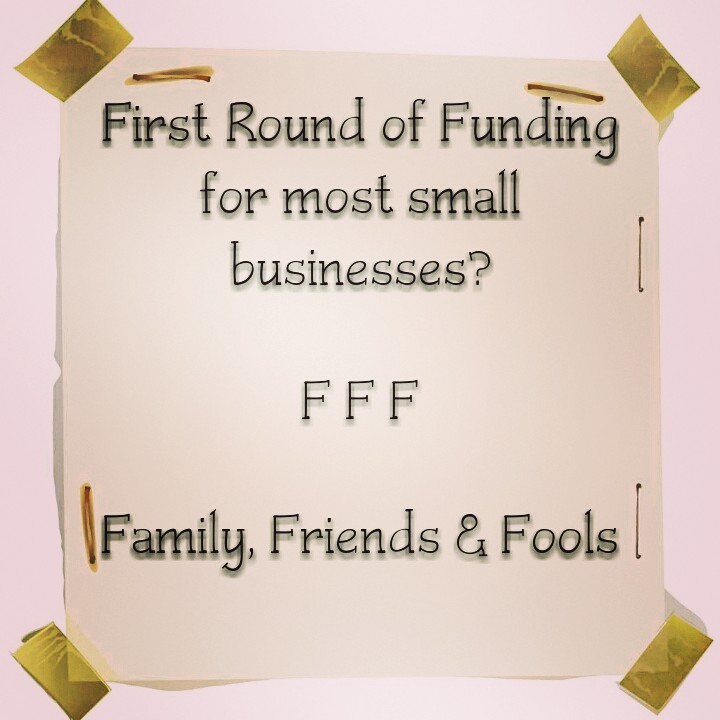
Many first-time entrepreneurs find themselves unable to bootstrap their startups, and also unable to find early funding at the venture capital level or even with angel investors. Their only recourse is that first tier of investors, fondly called Friends, Family and Fools. These are the only people likely to believe in newbies, with only minimal product evidence or business experience.
Yet surprisingly, according to statistics on the Fundable crowdfunding site, friends and family are the major funding source for all entrepreneurs, investing over $60 billion in new ventures last year, almost triple the amount coming from venture capital sources. The average amount per startup was $23,000, usually in the form of a convertible loan, rather than an equity investment.
Of course, most startups ultimately need much more than this amount to scale the business, but some prior contribution from friends and family (as well as your own sweat equity) is normally expected as a qualification before professional investors will consider entering the game. Their logic is that if your family won’t invest in you, then why should they?
This is confirmation that the right people are always more important than the right product. Here are some key ways that you can be viewed as the right people, whether seeking an investment from friends and family, fools or even later from professional investors:
- Ask for a specific amount to meet a specific milestone. Shy introverts may be great technologists, but they won’t be entrepreneurs until they learn to nurture relationships with friends and family, practice their elevator pitch and respectfully ask for funding. Waiting for someone to give you a gift with no specific objective is likely to be a long wait.
- Offer a formal agreement as well as a handshake. The vehicle of choice is most often a convertible note, which is really a loan with a specified duration and interest, with an option to convert it to equity when professional investors come in later. Hire an attorney to make sure the terms are fair. This shows respect and professionalism.
- Let people see your own investment and commitment. Friends and family are quick to differentiate between a passionate hobby and a sincere effort to change the world. Show them that you have done your homework with industry experts and potential customers, and convince them you are not asking for charity or a donation.
- Build a prototype first on your own time and money. We all know people who are good at talking, but never seem to risk anything or find time to get started on the implementation. Every good entrepreneur needs to invest skin in the game, to show credibility and leadership to others. Investors want to be followers, not the leaders.
- Don’t ask for more than your friends or family can afford to lose. In other words, don’t be greedy, and remember that you have to live with these people even if your startup fails. Ask for the minimum amount you need to reach a significant milestone, with some buffer for the unknown, rather than the maximum amount you can possibly foresee.
- Communicate the plan and the risks up front. Remember that no investment is a gift, and everyone who buys in deserves to hear what you plan to do with their investment, and expects regular updates from you along the way. Be honest with naïve friends and trusting family members, since more than 70 percent of startups fail in the first five years.
- Focus on well-connected friends with relevant business experience. A wealthy uncle may seem like an easy mark, but a less wealthy friend who has connections and experience with startups in your domain can likely help you more than any amount of money. Remember that you are looking for success, not just money to spend.
- Tie re-payments to revenue growth in the startup. Rather than set a fixed repayment schedule, tie investment payoffs to a percentage of new product revenue, or a plan to convert the debt to equity. Use the minimum viable product concept to get revenue early, and allow market and product pivots at minimal cost.
In any case, avoid the urge to think of friends and family as a last funding resort, when they should always be your first focus, and maybe the only one you will ever need. If you succeed, there is no joy like sharing the feeling and the money with people close to you.
But make sure you do it right, per the above recommendations, or you may be the biggest fool.
Image Credit: CC by Jupiter Labs
