


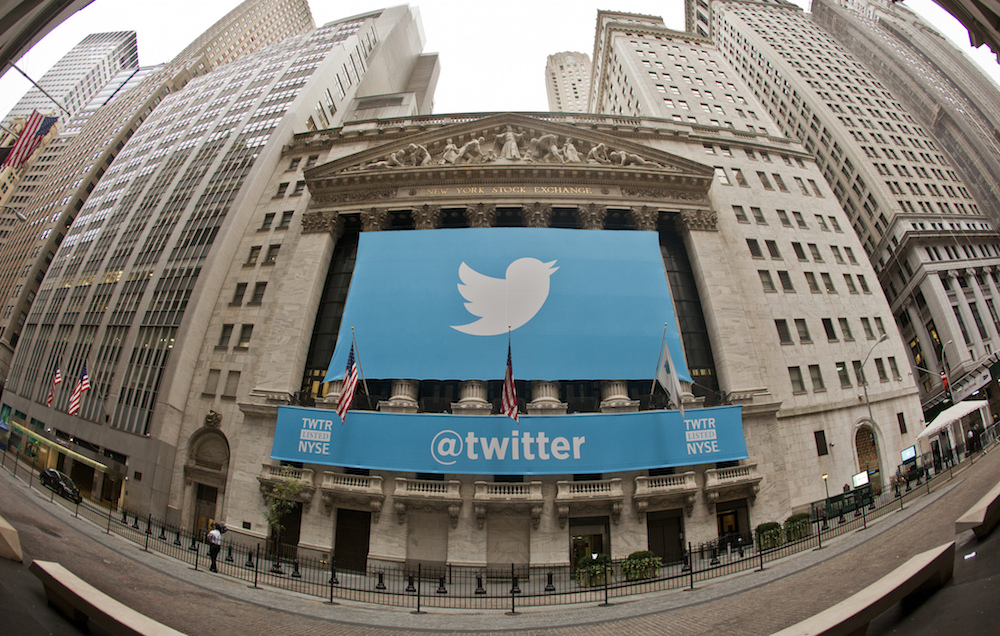
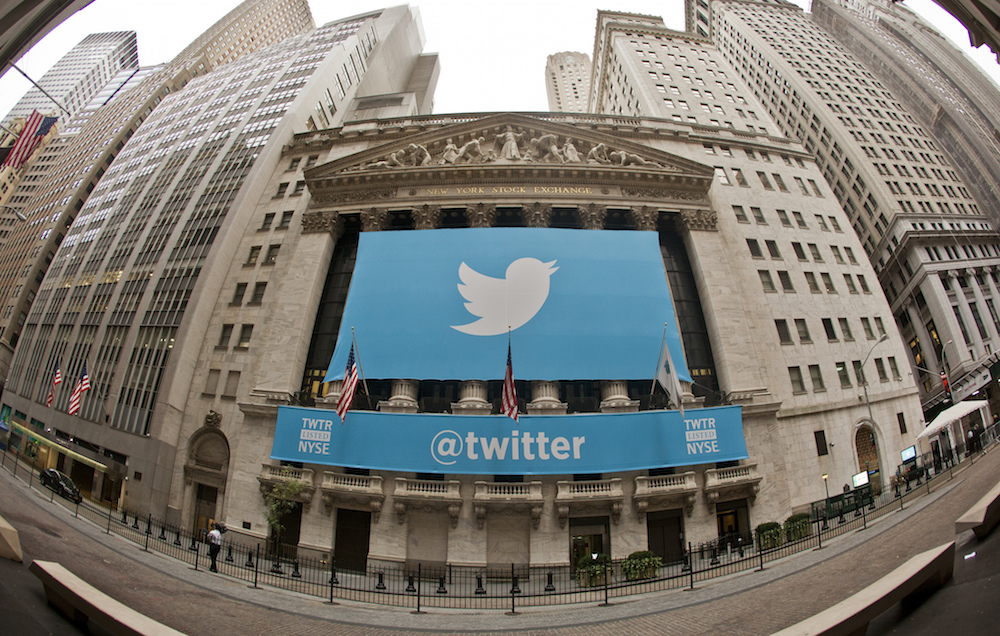
The visibility of Google, Facebook and a few others continues to propagate the myth that the ultimate objective of every entrepreneur should be to take their startups public via an initial public offering at the earliest opportunity. Everyone thinks this is the route to become the next billionaire like Mark Zuckerberg.
In reality, this option is a nightmare that can bump you out of the driver seat, dilute your equity and create a business entity you can’t control. For financial reasons alone, an IPO is a statistically rare phenomenon, happening just 275 times in 2014, out of almost 500,000 startups. Many of these may still fail spectacularly, such as Webvan and Pets.com.
As an advisor and mentor to startups, I try to make sure entrepreneurs understand both the pros and cons of an IPO as an exit strategy. Facebook, for example, ended up raising almost $16 billion through its IPO. It’s hard to imagine any other investor mechanism that could have raised that much money. On the other hand, Zuckerberg signed up for a lifetime of challenges:
Large personal and corporate liability exposures. As a public company executive, your management style, and even your personal life, is subject to extensive scrutiny by stock analysts and stockholders. Violations of integrity and accepted business practices is malfeasance and can result in corporate and personal fines, and even prison terms.
Extensive government reporting and compliance rules. To prevent another Enron scandal, public companies and their officers are measured against strict and growing government rules for reporting and compliance, popularly known as Sarbanes-Oxley, or SOX. Private companies are largely exempt from these reporting requirements.
Doubling or more of overhead expenses. These new reporting and compliance rules require expensive new processes, systems and consultants. When including lawyers and a chief compliance officer, many experts argue that the costs can quadruple those of a private company. That extra money raised better kick-start your opportunity.
All strategy and operational moves become public. Every public company has to answer to thousands of public stockholders now, rather than just a few private investors. This is a huge communication requirement, as well as a tremendous disadvantage in flexibility and dealing with competitors. The public is not an easy master to satisfy.
Public expectation of growth every quarter. The pressures to maintain a profitable and steep growth curve, vs. reinvesting returns in new markets, are very frustrating to entrepreneurs who get their satisfaction from the flexibility of a startup in addressing new opportunities. Even perceived weaknesses can dramatically impact company valuations.
Control moves to external directors and the public. Private companies typically have an internal board of friendly owners, unlikely to be pressured by the media to consider an unfriendly tender offer from another major player in the market. Even with private equity and private acquisition transactions, control stays internal to the principals.
Of course, there are cases where a new technology or medical startup needs that huge financial infusion to build the infrastructure needed for real growth, so the rewards are worth the risks and costs. In the long run, building a global company with the relatively unlimited public resources is still only possible by starting with an initial public offering and giving up your startup.
For every entrepreneur, I recommend first a personal assessment of your goals and strengths. If you enjoy the challenges of a startup and being in charge of your own destiny, you probably won’t survive the move to a public company, and you certainly won’t enjoy it, even if it makes you and all your friends rich. Greed is not an easy master to satisfy either.
Image credit: CC by Anthony Quintano