


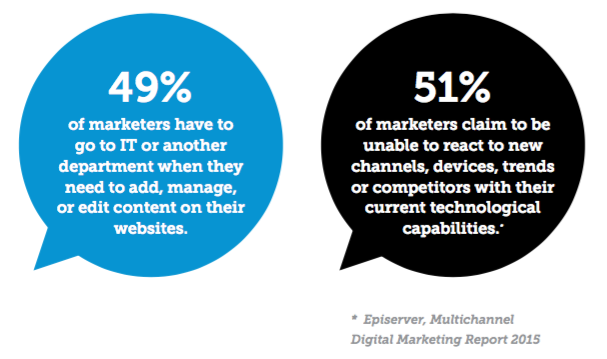

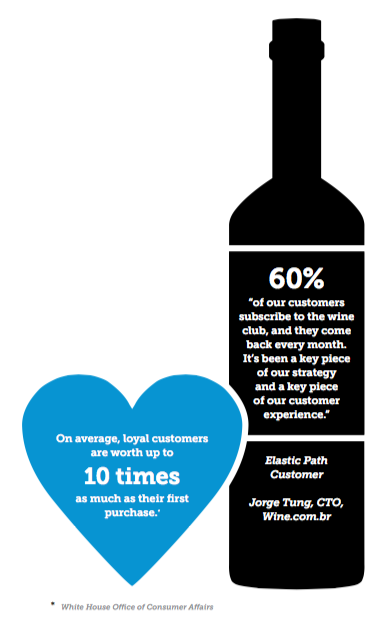
Consumers are increasingly engaging with brands via multiple digital touch points. These interactions, experienced through texting, phone apps, websites and social media are essential to business growth and profitability. Companies that can optimize digital experiences will be well positioned for the long haul. Industry analysts are seeing a resurgence of projects and investments in flexible technologies that have proven to generate sales, save money, improve loyalty, and/or solve customer service problems. Chief among them are integrated digital experience strategies.
Many businesses find the potential of consistent, cross-media digital experiences elusive. Because they are charged with the responsibility to deliver websites, mobile apps, and in-store systems, IT executives are discovering that they simply do not have all of the technologies they need.
Single Vendors Are Not the Silver Bullet to Integration
In their search for a silver bullet, some people have fallen for the promise that a single-vendor solution will solve their woes. Sadly, one size does not fit all. In a world where legacy technology is not going to magically disappear, best-of-breed point solutions coupled with a flexible integration strategy make the most sense.
All too often, companies make the mistake of overinvesting in features and underinvesting in integration. Even when CIOs “own” the platform, integration within the various possible touch points, operational, and back-end systems, remains a sore point.
New Channels Will Continually Test Your Architectural Strategy
The problem is that new touch points crop up on a regular basis and hard-wired, custom integrations make it difficult to accommodate new channels.
A flexible integration strategy and execution plan must serve as the cornerstone of your digital experience platform. While “integration” may not be the term that marketing or even digital experience leaders use, these stakeholders are nonetheless familiar with the pain points that prevent their teams from working across the aisle. Integration is key. Ease of integration and alignment with architectural strategy should be key selection factors when choosing the technology components for your digital experience platform.
The 6 Critical Integration Questions To Ask
To minimize major stumbling blocks later on, these are the questions to ask yourself about any digital experience solution:
- Are the systems that I need (CMS, commerce, product ordering, etc.) modular and extensible? Or are they packaged suites that lock in features that are not core to the offering?
- Can I extend legacy systems through reusable services and APIs? Or am I looking at a total rip and replace?
- Is this solution truly best-of-breed?
- Can I deploy the solution alongside existing systems, and then adjust business unit workflows gradually to deliver an organization-wide digital experience platform?
- Is integration based on flexible technology that I can bring in-house if I choose? Is it flexible enough so that I can swap out proprietary components for open source capabilities if needed? How locked in am I?
- Can the solution integrator or service provider guarantee predictable outcomes? Do they have a solid track record with credible references? Do they automate or codify the best practices?
Without a flexible integration strategy, one or more of your channels is going to be left hanging either today or tomorrow. Make sure this does not happen by anticipating change from the start.
To learn more about integration and other challenges you may encounter in your digital experience initiatives, download the ebook, The Rise of the Digital Experience Platform.
Image Credit: CC by Rosaura Ochoa
